Back in August, I shared an idea: bring a business’s website, services, and tools into one connected place. Since then, we’ve been building the pieces that make it possible.
We recently passed 300,000 lines of source code. The exciting part is seeing that work turn into tools people can use—and seeing one system make the next idea possible.
Build Studio: talk, preview, refine
Build Studio puts an AI conversation beside a working version of your website. Describe a change, see the result, and keep refining it. Your website files, conversation, and preview stay together.
It works with the actual website project. You can check desktop and mobile views, attach files, review changes, and return to unfinished work. Saving a draft and publishing are separate choices.
- Describe
- Tell the AI what you want to change.
- Preview
- See the working website at different screen sizes.
- Review
- Inspect changes or recover saved work.
- Save or publish
- Keep a draft or publish when you’re ready and have access.
Launch: your website, your AI connection
Launch is taking that workflow toward a self-service experience. The private editing pilot uses an assigned website and your own supported Codex account. Models and usage limits depend on that connection.
We’re also building the dashboard around it: saved setup details, website files, portal access, and a place to open the editor. Public checkout and automatic new-site setup are still being prepared.
Shops: from inventory to paid orders
Commerce brings products, photos, quantities, barcode tools, and storefront publishing into a shop workspace. Online checkout connects those products to orders for shipping or pickup.
Stripe Connect lets a participating shop connect its own merchant account. Payment confirmation feeds into the order workflow, so the team can see what has been paid and what needs preparing. Commerce remains a preview, with activation and payment setup required.
Our clients’ customers have a place too
With registration configured, customers can sign up through a business’s website and return to their own order and invoice history. The experience can carry the business’s branding, with email, Google, and Microsoft signup options.
The business manages its client records in a separate workspace. Customers see their own information; staff manage the shop. That connection between a website and an ongoing customer relationship is a big step.
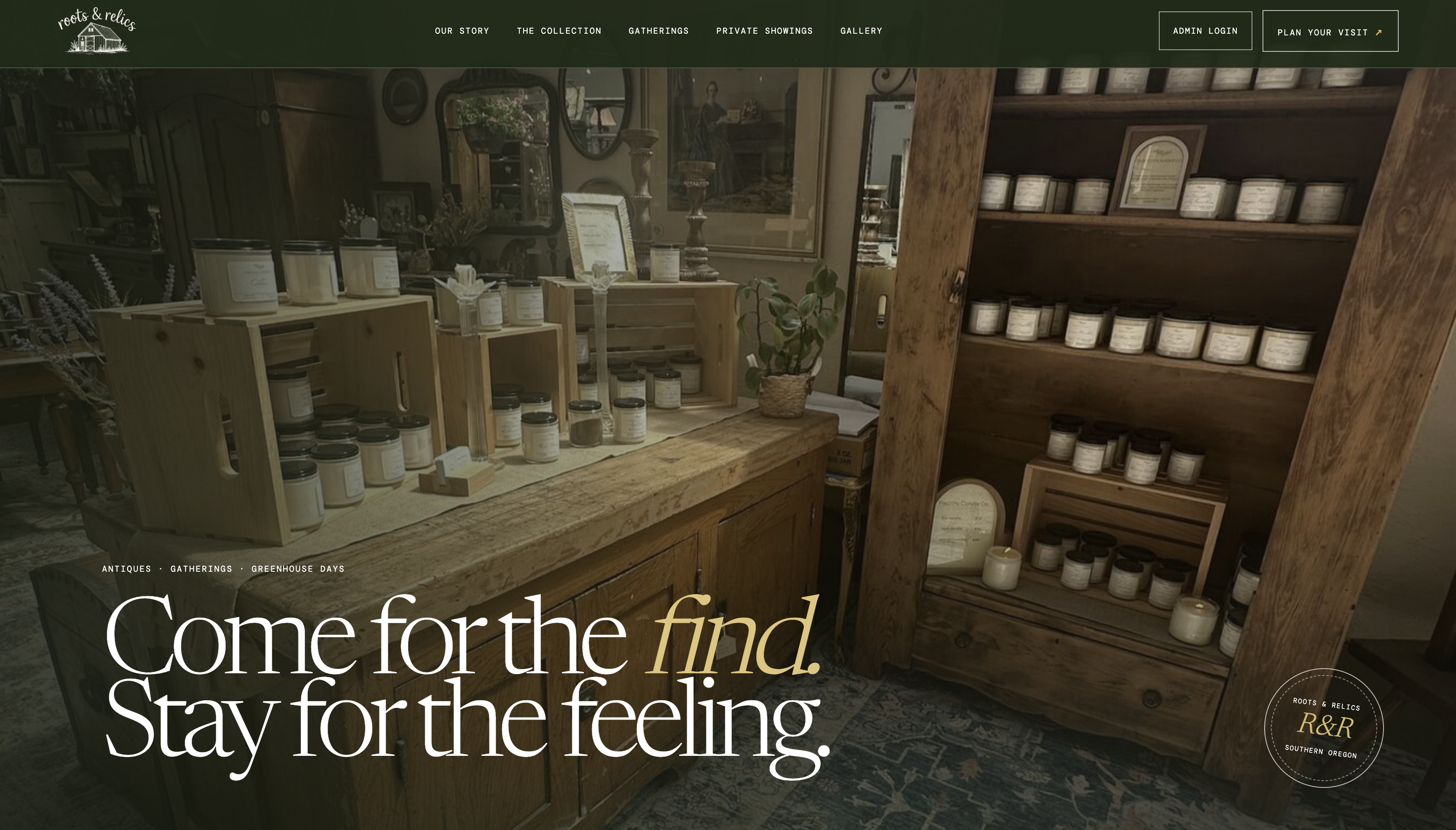
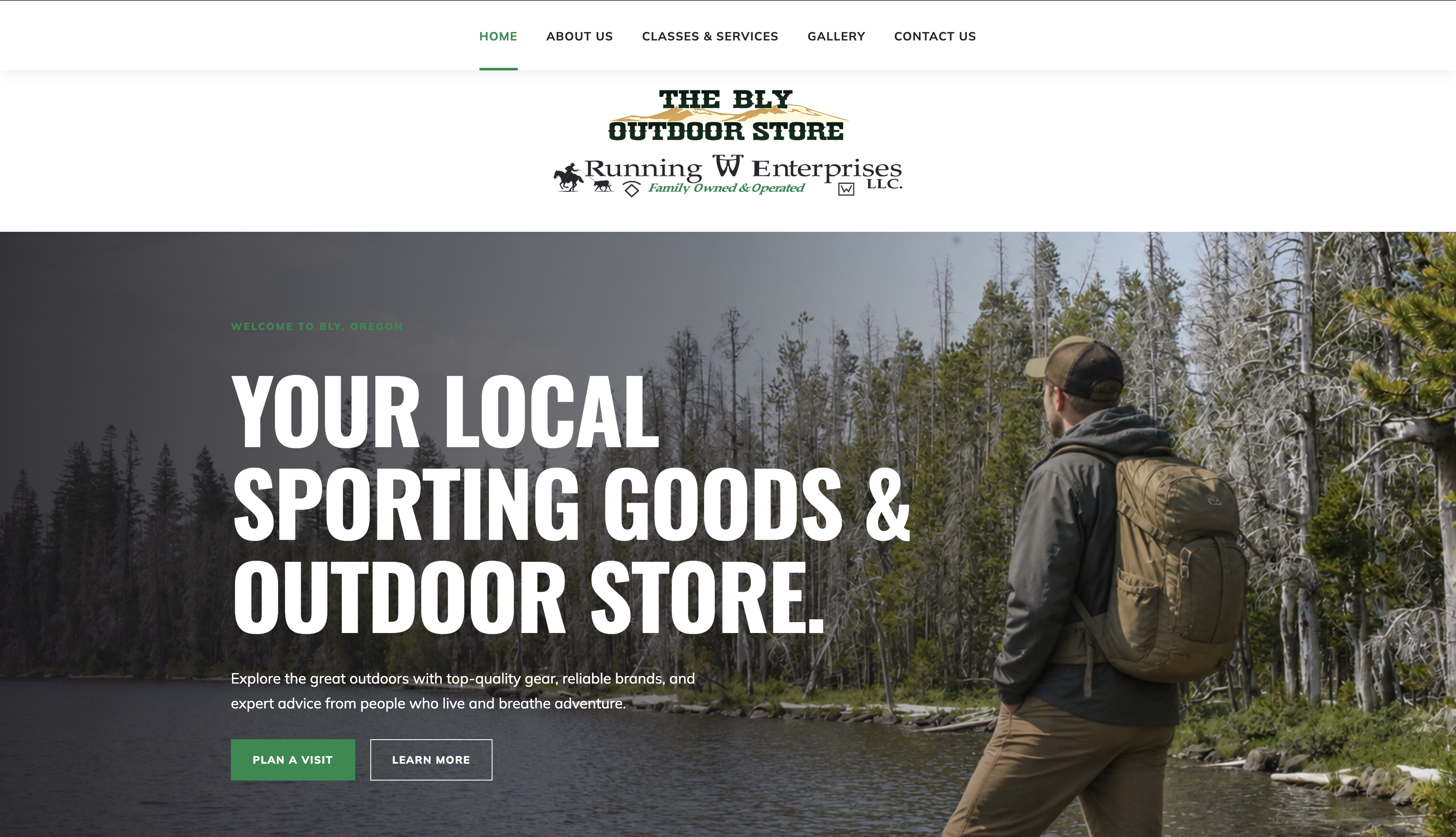
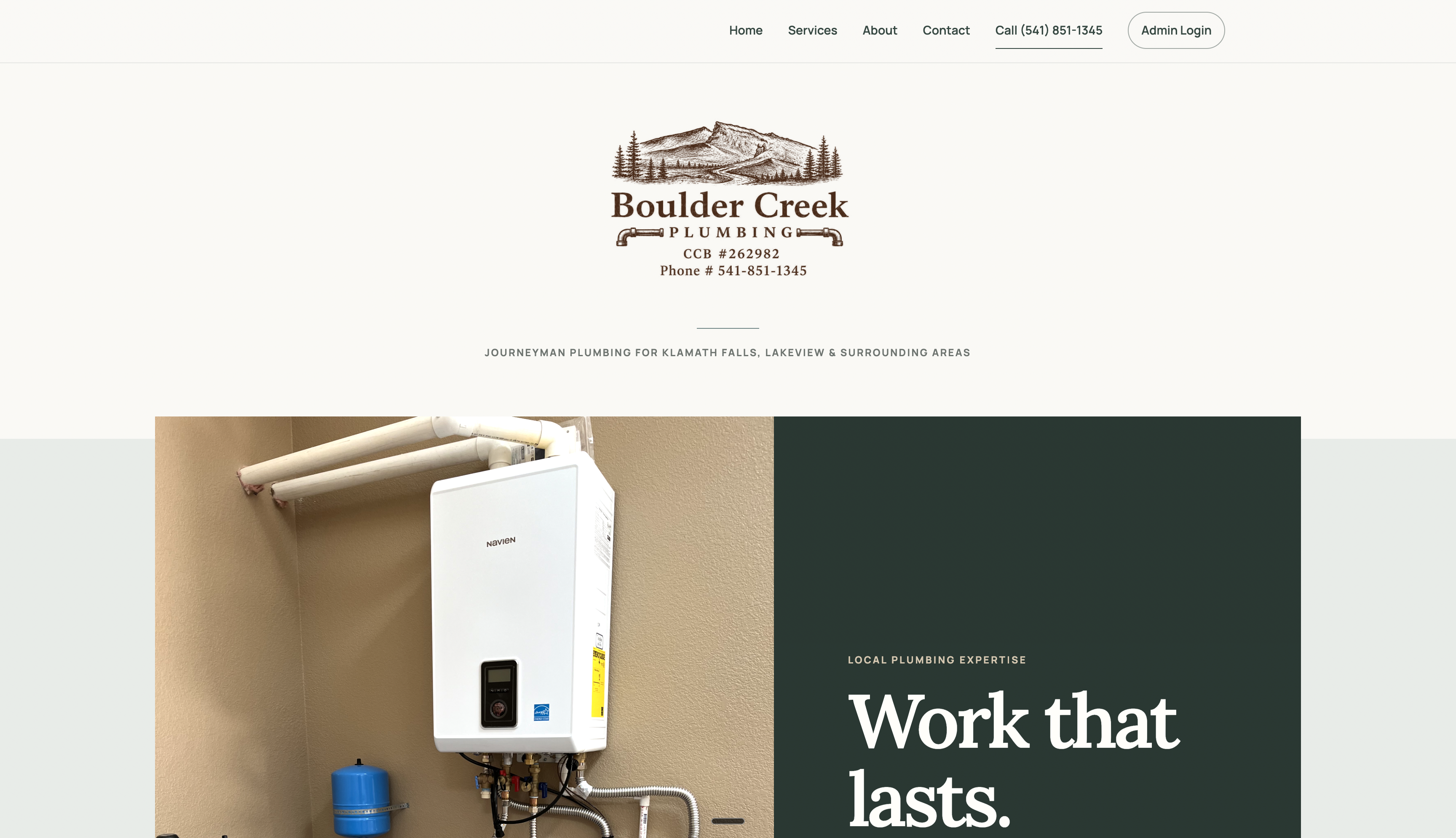
Still building websites with their own character
Website work continues alongside the software. Each business needs something different on the outside, while shared tools can support the work behind it.
More of the platform is connecting
Fieldwork connects clients, jobs, and map locations. Calendar brings scheduling into that work. Files and Assets supports Google Drive and OneDrive selection, while Records, Communications, Studio, and Contact Cards serve other parts of an organization’s day.
We’re also developing accessibility-related code and automated checks. That work still needs human review; automation alone does not establish compliance.
What the milestone means
Our recent Project Pulse snapshot counted about 354,000 source lines, including styling, application logic, database changes, comments, and blank lines. More code doesn’t automatically mean better software. It shows how much now sits behind the pages people see.
There’s plenty still being built and tested. But this is what excites me: a website, its customers, its payments, and the tools behind it are starting to work together.
— Quentin Nichols